
Purchasing property in India is a popular investment choice among Non-Resident Indians (NRIs). Below are answers to some of the most frequently asked questions regarding property ownership, home loans, documentation, and legal requirements.
Q. Who is considered a Non-Resident Indian (NRI)?
Answer: Under the Foreign Exchange Management Act (FEMA), an NRI is an Indian citizen residing outside India for employment, business, or any other purpose indicating an intention to stay abroad for an uncertain period. Generally, a person staying outside India for more than 182 days during a financial year is treated as an NRI.
Q. Who is a Person of Indian Origin (PIO)?
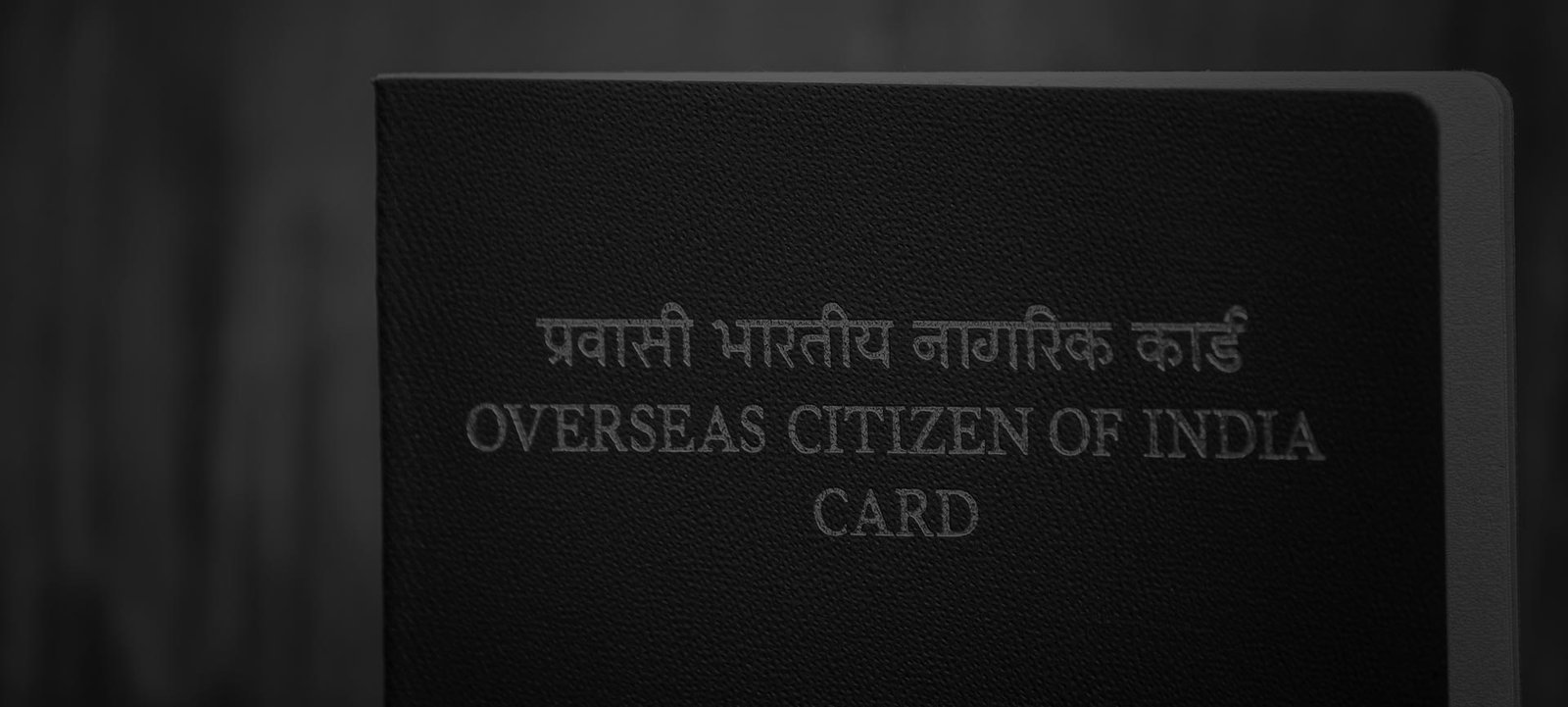
Answer: As per Government of India notifications, the PIO scheme has been merged with the Overseas Citizen of India (OCI) scheme. Existing PIO cardholders are treated as OCI cardholders, provided they hold a valid passport.
Q. Can NRIs or OCI/PIO cardholders buy property in India?
Answer: Yes. NRIs and OCI cardholders can purchase residential and commercial properties in India without prior RBI approval. However, they are generally not permitted to purchase agricultural land, plantation properties, or farmhouses.
Q. Is RBI approval required for purchasing residential property?
Answer: No. Under the general permission granted by FEMA regulations, NRIs and OCI cardholders are not required to seek separate approval from the Reserve Bank of India (RBI) for purchasing residential or commercial property.
Q. What payment methods are allowed for purchasing property?
Answer: Payments can be made through normal banking channels using funds remitted to India or from NRE, NRO, or FCNR bank accounts, as permitted under applicable regulations.
Q. Can an NRI rent out a residential property in India?
Answer: Yes. NRIs are free to rent out their residential property in India and earn rental income in accordance with applicable tax regulations.
Q. Are home loans available for NRIs?
Answer: Yes. Most leading banks and housing finance companies, including HDFC, SBI, ICICI Bank, and LIC Housing Finance, offer home loans to eligible NRIs. Loan eligibility depends on income, repayment capacity, and documentation.
Q. What documents are generally required for a home loan?
Answer: While document requirements may vary by lender, the following are commonly required:
Q. What is a Home Loan Sanction Letter?
Answer: A Home Loan Sanction Letter is an official approval issued by a bank or financial institution confirming the loan amount, applicable interest rate, repayment tenure, and other terms after assessing the applicant's eligibility.
Q. Can an NRI appoint someone in India to complete property formalities?
Answer: Yes. An NRI may execute a legally valid Power of Attorney (PoA) authorizing a trusted person in India to complete documentation and registration formalities on their behalf.
Q. Can an NRI gift residential property in India?
Answer: Yes. NRIs are permitted to transfer eligible residential or commercial properties by way of gift, subject to applicable Indian laws and regulations.
India continues to be one of the most attractive real estate markets for global Indian investors. Premium residential developments in Noida, Greater Noida, Noida Extension, Yamuna Expressway, and Noida Expressway offer excellent infrastructure, modern amenities, strong rental demand, and long-term capital appreciation.
For first-time investors, 2 BHK and 3 BHK apartments in rapidly developing locations such as Noida Extension, Sector 150 Noida, and Yamuna Expressway provide an ideal combination of affordability, future appreciation, and attractive rental returns.